
Call Us Today!
508-488-9999
Home Blown-in Insulation & Gutter Solutions
13 October 2026
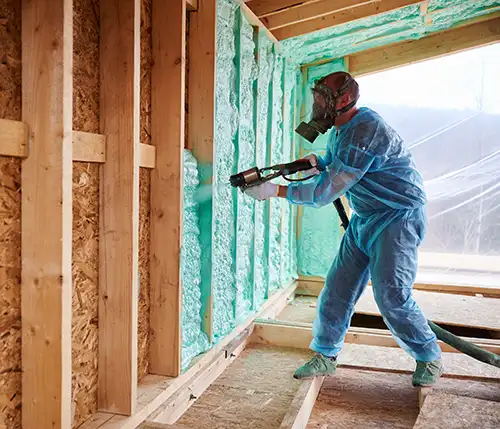
A basement can be one of the most uncomfortable areas of a home, especially when it feels colder than the rest of the house during winter or becomes damp and stuffy throughout the year. Poor insulation and unwanted air leakage can contribute to these problems, making it harder to maintain a comfortable indoor environment.
Spray foam insulation can help address some of these challenges by expanding to fill gaps and cracks in suitable areas, creating an effective air barrier when properly installed. Depending on the basement's construction and moisture conditions, it may be applied to foundation walls, rim joists, and other appropriate areas to help reduce drafts and limit unwanted heat transfer.
Another benefit is improved temperature consistency. By reducing air leakage and heat loss through insulated surfaces, spray foam can help make basement spaces more comfortable for everyday use, whether you use the area for storage, a home office, a workout room, or additional living space.
Moisture management is also an important consideration when insulating a basement. Spray foam can help control air movement that contributes to condensation under certain conditions, but it does not correct every moisture problem. Water intrusion, drainage issues, and existing dampness should be addressed before insulation is installed. Choosing the appropriate foam and installation method is essential for protecting the building and achieving the intended performance.
At Custom Insulation Company, Inc., we understand that every home has different insulation needs. A professional assessment can help determine whether spray foam is appropriate for your basement and which areas may benefit most from improved insulation and air sealing.
Thinking about making your basement more comfortable throughout the year? Contact Custom Insulation Company, Inc. to discuss insulation options for your home.
30 September 2026
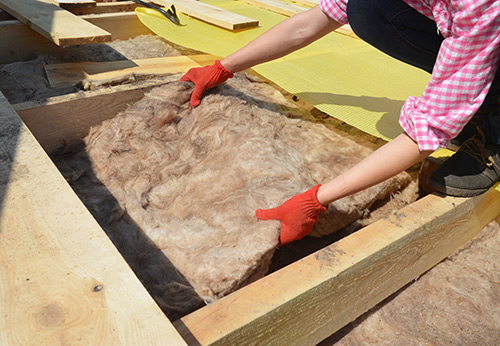
Blanket insulation, including fiberglass batts and rolls, is commonly used in walls, attics, floors, and other areas of a building. While the insulation material itself is important, its overall performance also depends on how well it fits the space and the conditions around it.
For homeowners considering insulation improvements, understanding these factors can help when planning a project with Custom Insulation Company, Inc.
R-value measures an insulation material's resistance to heat flow. Generally, a higher R-value provides greater resistance to heat transfer. However, choosing insulation based only on the highest available R-value is not always the best approach.
The appropriate R-value depends on factors such as the part of the building being insulated, available space, and the specific requirements of the project.
Blanket insulation needs to fit the space properly. Gaps, spaces around obstacles, or areas where insulation has been compressed can reduce its effectiveness.
Careful installation helps ensure the insulation provides more consistent coverage across the intended area.
Even good-quality insulation may not perform as expected if it is installed incorrectly. Poorly fitted batts, gaps around framing, or compression can create areas where heat moves more easily.
Professional installation can help address these details and ensure the material is installed according to the requirements of the space.
Moisture can affect insulation performance and may contribute to other building problems. Leaks, condensation, or excessive humidity should be addressed rather than simply covering the affected area with new insulation.
Identifying potential moisture sources before an insulation project can help protect the long-term performance of the building assembly.
Insulation and air sealing serve different purposes, but they work together. Air can move through gaps and openings around framing, penetrations, windows, doors, and other areas, potentially reducing the overall effectiveness of an insulated building envelope.
Addressing significant air leakage can complement a blanket insulation installation and improve overall energy performance.
Over time, insulation may become damaged, displaced, compressed, or affected by moisture or pests. Older insulation is not automatically ineffective, but its condition should be considered when evaluating an existing insulation system.
A professional assessment can help determine whether insulation needs to be repaired, supplemented, or replaced.
Blanket insulation performance depends on more than the material's R-value. Proper fit, complete coverage, installation quality, moisture control, air sealing, and the condition of existing insulation can all make a difference.
If you are considering new or upgraded insulation, Custom Insulation Company, Inc. can help evaluate your building and determine an approach suited to its specific needs. A properly planned insulation project can help create a more comfortable and energy-efficient indoor environment.
27 September 2026
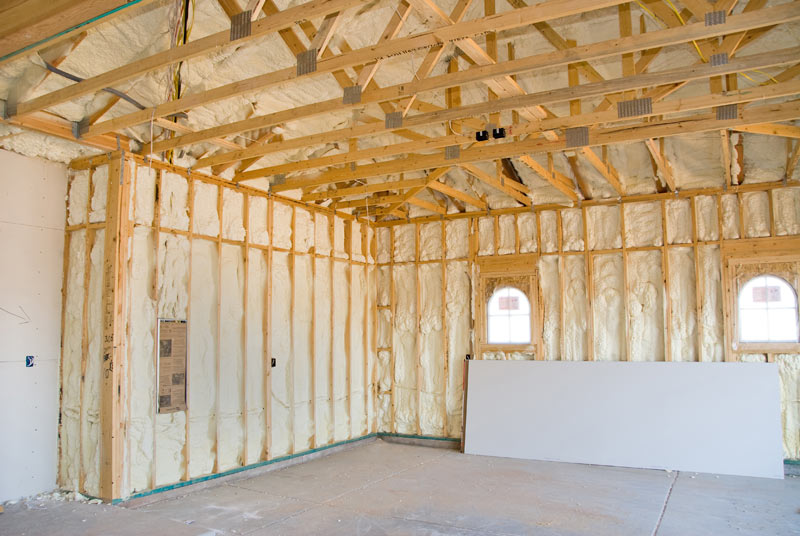
Air leaks can make it harder to maintain comfortable indoor temperatures, especially during Massachusetts winters and summers. When heated or cooled air escapes through gaps and openings, your heating and cooling system may need to work harder to maintain the temperature inside your home.
For homeowners, identifying common air leakage areas is an important part of understanding where insulation and air sealing may be needed. Custom Insulation Company, Inc. helps Massachusetts homeowners address insulation needs in areas where unwanted air movement may occur.
The attic is one of the most common places to look for air leaks. Openings around plumbing pipes, electrical wiring, recessed lights, and attic access points can allow conditioned air to escape into the attic.
Properly addressing these openings, along with having adequate attic insulation, can help reduce unwanted air movement between the living space and attic.
Gaps around window and door frames can allow outdoor air to enter the home. Older windows and doors may be particularly susceptible to drafts if surrounding materials have deteriorated or were not properly sealed.
Weatherstripping, caulking, and appropriate insulation or air-sealing measures can help address these areas.
The rim joists are located around the perimeter of a home's floor framing where the foundation meets the floors above. Because of their location, these areas can contain gaps that allow outdoor air to enter.
Insulating and air sealing rim joists can help reduce drafts and improve comfort in rooms above the basement or crawl space.
Wiring, pipes, ducts, and other components often pass through walls, ceilings, and floors. The openings created for these components can become pathways for air movement when they are not properly sealed.
These smaller gaps may be easy to overlook but can be important when evaluating a home's overall air leakage.
An attic hatch or pull-down stairway can create an opening between the conditioned living area and the attic. If the access point is not properly insulated and sealed, it may contribute to unwanted air movement.
Checking the attic access area can therefore be an important part of an insulation and air-sealing assessment.
Basements and crawl spaces can have gaps around foundation walls, pipes, vents, windows, and other openings. Air entering through these areas can contribute to drafts and temperature differences throughout the home.
Addressing air leakage in these spaces may be particularly useful when improving the overall insulation of an older Massachusetts home.
Insulation and air sealing address different aspects of a home's thermal performance. Insulation helps slow heat transfer, while air sealing focuses on reducing unwanted movement of air through gaps and openings.
Because air can travel through small and difficult-to-see pathways, identifying the source of drafts can be challenging without a closer evaluation of the home.
Custom Insulation Company, Inc. provides insulation services for homeowners in Massachusetts looking to improve their home's comfort and energy performance. If you notice persistent drafts, uneven temperatures, or rooms that are difficult to keep comfortable, contact Custom Insulation Company, Inc. to discuss your home's insulation and air-sealing needs.
24 September 2026
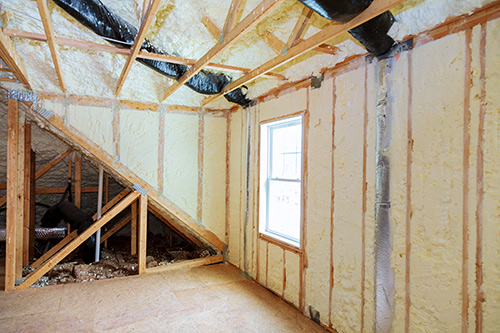
If your home is susceptible to drafts, some rooms are persistently warmer or cooler than others, or your heating and cooling system tends to work harder, insulation may contribute to the problem. However, finding out whether insulation could be a factor to these problems isn't always easy to do on your own. A professional insulation assessment can help determine spaces where your home's insulation and air sealing may need attention.
Over time, insulation can become less effective or may not have been installed adequately in the first place. A professional can inspect accessible areas such as attics, crawl spaces, walls, and other parts of the building envelope to identify potential gaps or areas with inadequate coverage.
Insulation and air sealing work together. Even a well-insulated area can lose energy through cracks, gaps, penetrations, and other openings that allow conditioned air to escape or outdoor air to enter.
An assessment can help locate areas where air leakage may be affecting comfort and energy performance. Addressing these areas can be an important part of improving the overall effectiveness of an insulation project.
Every home does not need the same type or amount of insulation. Factors such as the building's construction, existing insulation, location of the problem areas, and project goals can all affect which solution makes sense.
Depending on the property, options may include spray foam, blown-in insulation, or other insulation materials. A professional assessment offers helpful insights for determining what approach is appropriate instead of relying on guesswork.
An assessment can also help homeowners determine which areas should receive attention first. Rather than replacing insulation throughout the entire property unnecessarily, a professional can help identify specific areas where improvements may provide the greatest benefit.
Properly selected and installed insulation can help minimize excessive heat transfer and enhance temperature stability throughout a home. Combined with appropriate air sealing, insulation improvements may also help heating and cooling systems function more effectively.
At Custom Insulation Company, Inc., professional insulation services can help homeowners figure out the condition of their current insulation and determine where improvements may be beneficial. Starting with an assessment can make it easier to plan an insulation project based on the actual needs of the home rather than assumptions.
22 September 2026
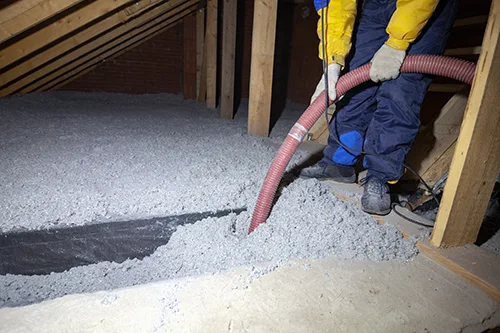
If your home needs better energy efficiency and more consistent indoor temperatures, blown-in insulation can be an effective solution. One common question homeowners have is: How long does blown-in insulation installation take?
In many cases, a professional blown-in insulation project can be completed in a few hours to a full day, depending on the size and condition of the home. Larger projects or attics requiring preparation, removal, or repairs may take longer.
Several factors can influence how long the project takes, including:
A professional installation typically begins with an inspection of the attic or other areas being insulated. The installer determines the appropriate insulation depth and identifies areas that may need air sealing or preparation.
Blown-in insulation is then distributed using specialized equipment, allowing the material to fill gaps and spaces more evenly than some traditional insulation methods. The installer checks the coverage and depth to help ensure the insulation is installed properly.
Because blown-in insulation is installed using specialized equipment, professional installers can generally complete the work efficiently. Homeowners may still need to provide access to the attic and clear certain areas before the project begins.
Once installation is complete, your contractor can explain the work performed and any additional recommendations for improving your home's energy efficiency.
The exact installation time depends on your home's size, existing insulation, attic condition, and the scope of the project. A professional assessment can provide a more accurate timeline and help determine how much insulation your home needs.
Custom Insulation Company, Inc. can help homeowners determine whether blown-in insulation is appropriate for their property and provide professional installation designed around the home's specific needs. Contact us to learn more about blown-in insulation and improve your home's comfort and energy efficiency.
16 September 2026
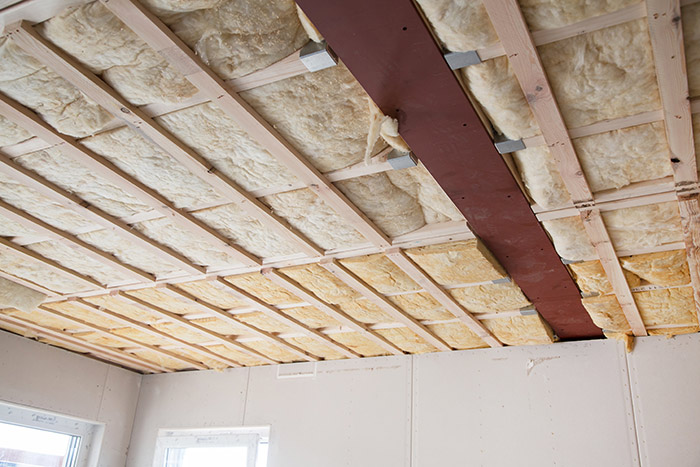
Blanket insulation, including fiberglass batts and rolls, can provide reliable thermal protection for many years. However, insulation can become less effective when it is damaged, compressed, contaminated, or affected by moisture. For homeowners, knowing when older insulation may need attention can help maintain energy efficiency and indoor comfort.
Here are several signs that it may be time to consider replacing old blanket insulation.
Blanket insulation works partly by trapping air within its fibers. If insulation becomes compressed or flattened, it may not perform as effectively as it did when originally installed. Compression can occur because of remodeling work, storage in an attic, improper installation, or other activity around the insulation.
A professional inspection can help determine whether compressed areas need to be replaced or corrected.
Moisture can be a concern for many insulation materials. If a roof leak, plumbing issue, or other source of water has affected blanket insulation, the material may no longer perform properly. Persistent moisture can also contribute to other problems within the surrounding building materials.
Homeowners should address the source of the moisture before replacing affected insulation.
Older insulation may become damaged during home renovations, electrical work, HVAC projects, or other maintenance. Gaps, tears, displaced sections, and areas where insulation has been removed can reduce coverage.
Replacing damaged sections can restore more consistent insulation coverage.
Rooms that are noticeably warmer or colder than others can have several possible causes, including air leakage, HVAC issues, windows, and inadequate insulation. If insulation is old or incomplete, an inspection can help determine whether it is contributing to temperature differences throughout the home.
If heating and cooling your home has become increasingly difficult or expensive, it may be worth evaluating the condition of the insulation along with other factors affecting energy use. Older insulation isn't automatically ineffective, but its condition, installation quality, and R-value should be considered.
A renovation can provide a convenient opportunity to inspect insulation that would otherwise remain hidden behind walls or ceilings. If existing blanket insulation is damaged, inadequate for the space, or no longer appropriate for the home's needs, replacement can potentially be incorporated into the project.
Not every older insulation installation needs to be completely removed and replaced. In some homes, existing insulation may still be performing adequately. A professional evaluation can help identify damaged areas, gaps, moisture concerns, and opportunities to improve insulation coverage.
Custom Insulation Company, Inc. can help homeowners evaluate their insulation needs and determine appropriate solutions for their properties. Whether you're dealing with damaged insulation, planning a renovation, or looking to improve your home's energy efficiency, professional guidance can help you make an informed decision about your insulation.
11 September 2026
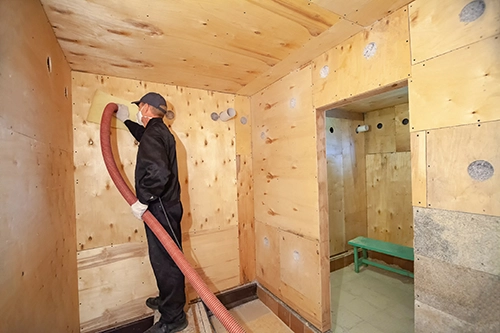
Adding blown-in insulation can improve energy efficiency and indoor comfort, but getting the right amount is just as important as choosing the right material. Too little insulation may leave areas underprotected, while improper installation can affect its performance.
Custom Insulation Company, Inc. provides professional insulation services to help homeowners determine the appropriate amount of blown-in insulation for their property.
Before installation, insulation professionals assess the area to determine its size, condition, and existing insulation. They may also look for gaps, drafts, moisture concerns, or other issues that could affect insulation performance.
The recommended insulation depth can depend on factors such as the location being insulated, the type of insulation being used, and the desired R-value, which measures resistance to heat flow.
Blown-in insulation needs to be distributed evenly to provide consistent coverage. Professionals use the manufacturer's guidelines and installation requirements to determine how much material is needed to achieve the intended insulation level.
Simply adding more insulation isn't always the answer. Proper installation helps ensure the material reaches the appropriate depth and doesn't leave significant gaps or uneven areas.
Professional installation takes the guesswork out of determining how much blown-in insulation your home needs. Experienced installers have the equipment and knowledge to apply insulation properly while identifying potential problem areas.
A professional approach can also help homeowners avoid wasting material or overlooking areas that need additional insulation.
The right amount of blown-in insulation depends on your home's specific needs. Custom Insulation Company, Inc. can evaluate your property, recommend an appropriate insulation solution, and provide professional installation designed for effective coverage.
For homeowners considering blown-in insulation, working with experienced professionals can make the process easier and help ensure the job is done correctly.
31 August 2026
Blanket insulation, including fiberglass and mineral wool batts and rolls, is a common choice for insulating walls, attics, floors, and other areas of a home. When properly installed and protected from moisture or damage, blanket insulation can last for decades.
There isn't one exact expiration date for blanket insulation. Well-maintained fiberglass or mineral wool insulation can potentially remain in place for several decades, provided it stays dry, intact, and properly installed.
However, age alone does not necessarily mean insulation needs to be replaced. Instead, homeowners should consider its current condition and performance. Older insulation may still be usable, while insulation that has been damaged by moisture, pests, construction work, or other issues may need attention much sooner.
A home may benefit from an insulation inspection if homeowners notice uneven indoor temperatures, unusually high heating or cooling demands, drafts, or visible gaps in insulation.
In an attic or accessible wall area, insulation that appears compressed, displaced, deteriorated, or affected by moisture may also warrant professional evaluation. Identifying the underlying cause is important before simply adding more insulation.
Blanket insulation does not necessarily stop working simply because it becomes old. Its performance can be affected when the material is compressed, displaced, wet, damaged, or improperly fitted.
For example, a batt that no longer fills its intended space properly may provide less effective thermal resistance than one that remains correctly installed. Air leakage around or through an insulated assembly can also affect overall energy performance.
In some homes, existing insulation may be in good condition and can remain in place while additional insulation is added to improve overall thermal performance. In other situations, damaged or moisture-affected insulation may need to be addressed first.
A professional insulation contractor can evaluate the existing material, identify problem areas, and determine whether replacement, additional insulation, or air-sealing work makes the most sense.
The lifespan of blanket insulation depends less on a simple number of years and more on material condition, installation quality, moisture exposure, and the environment where it is installed. With proper installation and care, blanket insulation can provide reliable performance for many years.
Contact Custom Insulation Company, Inc., we can help homeowners evaluate their insulation needs and determine the right approach for improving comfort and energy efficiency.
21 August 2026
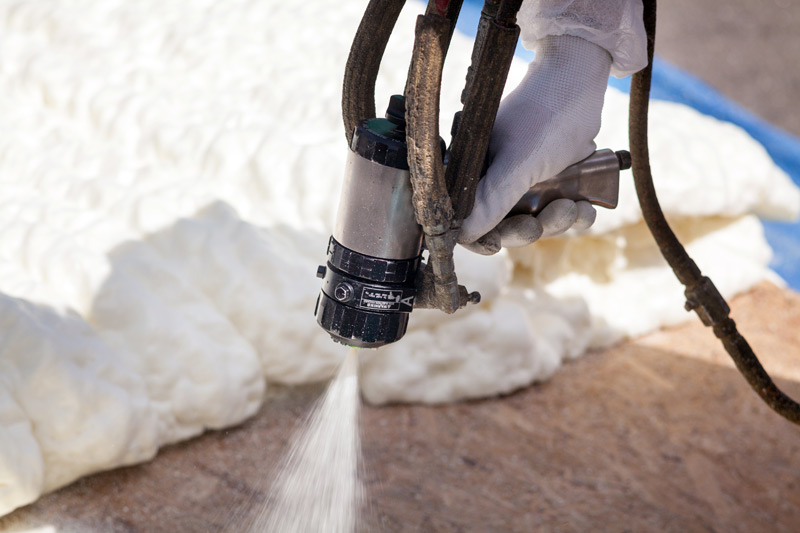
Condensation can contribute to moisture problems, mold growth, and material damage when warm, humid air comes into contact with cold surfaces. Proper insulation and air sealing can help reduce these risks.
Condensation often develops when humid air reaches a surface that is significantly colder than the surrounding air. Areas such as attics, crawl spaces, walls, and around ductwork can be especially vulnerable.
Spray foam insulation helps address the problem by expanding into small gaps and creating a continuous layer of insulation and air sealing. By limiting unwanted air movement and reducing cold surfaces, it can help lower the conditions that contribute to condensation.
For homeowners dealing with drafts, temperature fluctuations, or recurring moisture concerns, professional insulation can be an important part of improving the building envelope. Custom Insulation Company, Inc. can help determine whether spray foam insulation is appropriate for your property and where it can provide the greatest benefit.
17 August 2026
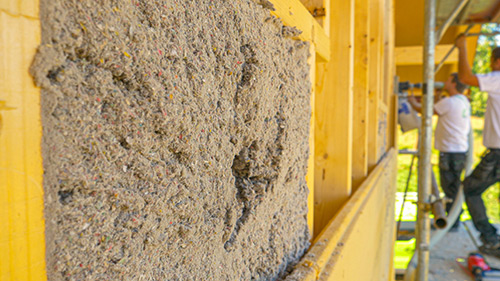
Blown-in insulation can help improve a home's energy efficiency and indoor comfort when it is installed correctly. However, installation mistakes can reduce its effectiveness and may leave parts of the home inadequately insulated. Knowing what to watch for can help homeowners make better decisions about their insulation projects.
Insulation needs to reach the appropriate depth to provide the intended level of thermal resistance. Installing too little can leave the home underinsulated, while inconsistent coverage can create areas where heat moves more easily.
Blown-in insulation should be distributed evenly throughout the intended space. Gaps around obstacles, fixtures, or difficult-to-reach areas can create weak points in the insulation layer.
Adding insulation without addressing significant air leaks can limit the overall performance of an attic or other insulated area. Sealing appropriate gaps and penetrations can be an important part of preparing the space for insulation.
Attic ventilation needs to remain functional. Insulation should not obstruct soffit vents or other ventilation pathways that are designed to move air through the attic.
Moisture damage, roof leaks, electrical concerns, or deteriorated materials should be addressed before insulation is installed. Adding insulation over an existing problem can make future inspection and repairs more difficult.
Every home has different construction characteristics and insulation needs. The appropriate material, coverage, and installation approach can depend on the home's design, existing insulation, and local climate.
Proper installation plays an important role in getting the most from blown-in insulation. Custom Insulation Company, Inc. can help homeowners evaluate their insulation needs and determine an appropriate approach for their home.
Avoiding common installation problems can help create more consistent insulation coverage and support a more comfortable, energy-efficient home.


16 Jacques Street - Rear
Worcester, MA 01603
Phone: 508-755-2315
Fax: 508-756-1941
E-mail: info@custominsulation.com

